Inside New Home Construction in Bucks County: From Lot to Move-In
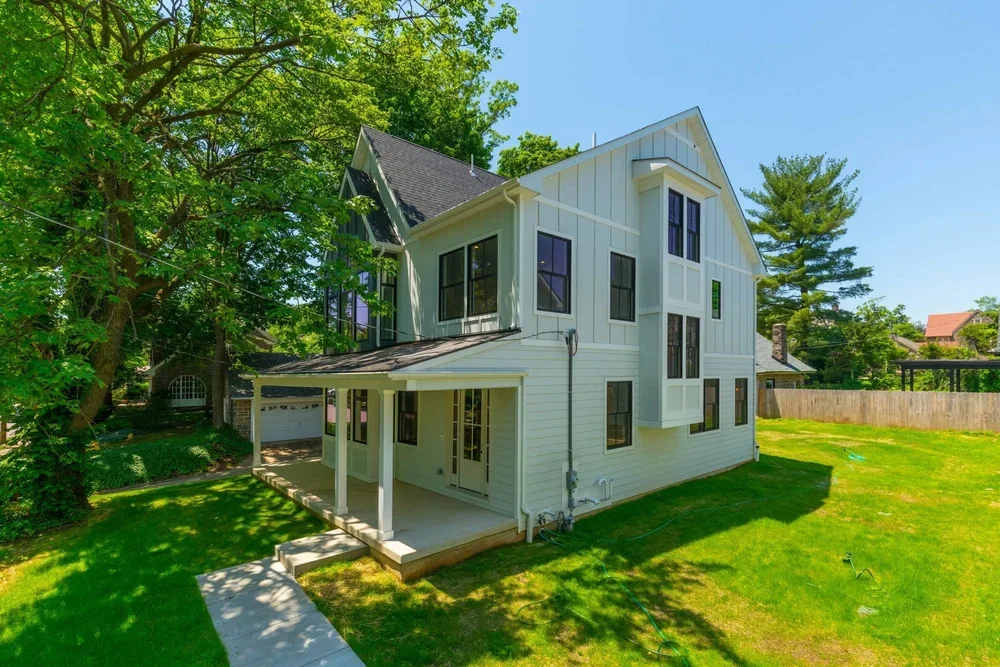
Revival’s Chestnut Hill custom home in Philadelphia.
Start with a Clear Vision for Your Home
New home construction in Bucks County starts long before crews arrive on-site. The best first step is to define how you want your home to look, feel, and work for your daily life. When we understand your priorities early, we can help connect your ideas to a plan that supports your budget, timeline, property, and long-term goals.
Bucks County gives you many possibilities, from homes that fit established neighborhoods to residences designed around open land, wooded views, or a more modern setting. Before choosing finishes or drawing floor plans, we encourage you to think about the spaces that will matter most every day.
A first-floor primary suite for easier living
An open kitchen and gathering space for family time
A quiet home office or flexible room
A finished basement for recreation, guests, or hobbies
Outdoor areas for dining, relaxing, and entertaining
It also helps to separate must-haves from wish-list items. Some features may be needed for the way your household lives now, while others may be upgrades to consider if the plan allows. That simple distinction makes decisions clearer as the design develops and helps keep the project focused.
Set an initial investment range that considers more than the house itself. Land, site preparation, utility connections, professional fees, permits, landscaping, financing, and a contingency for unexpected costs may all affect the total. As the plans and selections develop, review the estimate, allowances, exclusions, and change-order process with your builder.
Choose a Lot That Supports Your Lifestyle
A beautiful piece of land is only part of the equation. Before you buy a property, we recommend looking closely at what the lot can support. Its size, shape, slope, drainage, trees, access, and available utilities can all affect where the home sits and how the property is developed.
Depending on the property, due diligence may involve a survey, title and easement review, zoning and setback research, utility availability, stormwater requirements, or well and septic feasibility. A builder-led site review, together with qualified surveyors, engineers, and other professionals as needed, can help identify issues before you purchase. Discuss appropriate due-diligence contingencies and deadlines with your real estate and legal professionals.
Lifestyle matters just as much as site conditions. You may want easy access to schools, commuting routes, parks, trails, or local downtown areas. Or, you may value privacy, acreage, views, room for a pool, or a large outdoor living space. We help you consider both the land itself and the life you want to build around it.
Design for Comfort in Every Season
A custom home should work well on a humid summer afternoon, a cold winter morning, and every day in between. During design, we bring together your routines, architectural preferences, and performance needs so the home feels comfortable without losing its character.
Floor plans work best when they reflect real life. That may mean placing a laundry room near bedrooms, adding a mudroom near the garage, creating better kitchen flow, or including storage where it will actually be used. Flexible rooms can also make a home more useful over time, whether they become a study space, guest room, hobby room, or place for family members to stay.
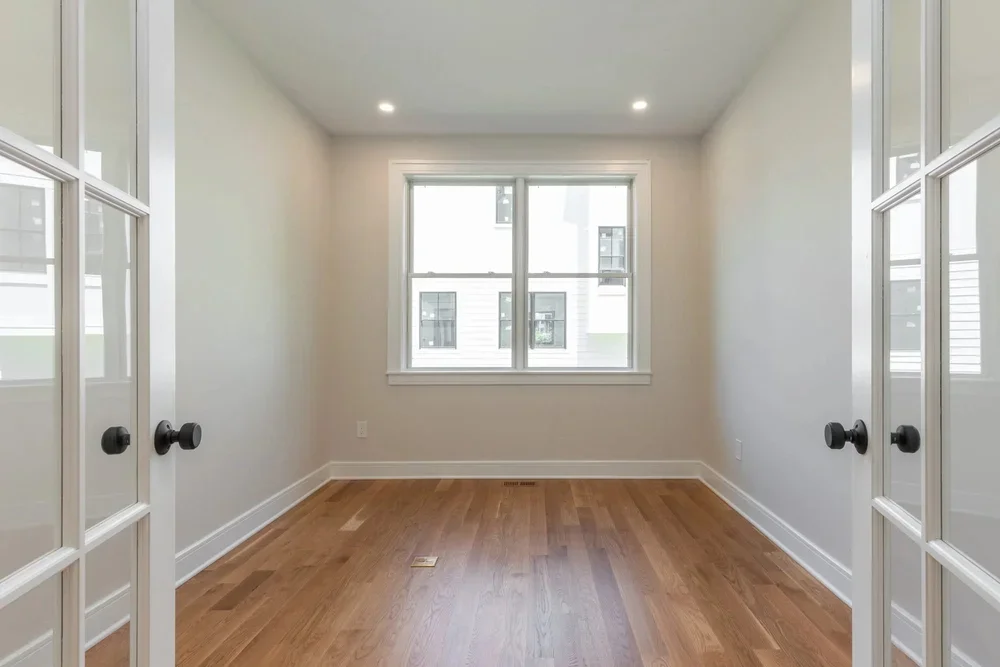
A flexible room in Revival’s Chestnut Hill custom home.
For inspiration, explore Revival’s Ashwood custom home in Doylestown. Designed around its owners’ priorities, it includes custom cabinetry and a first-floor primary suite. Each home and site will call for its own solutions.
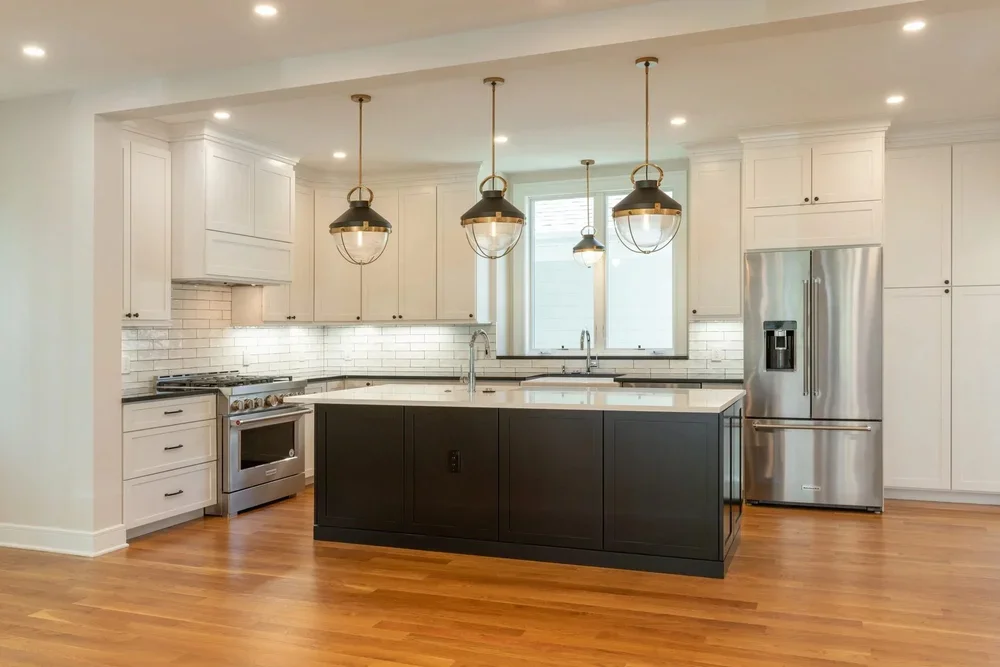
The kitchen in Revival’s Chestnut Hill custom home.
We also discuss the building choices that support year-round comfort and lasting performance:
High-performance insulation and efficient windows
HVAC planning that fits the home’s layout
Durable exterior materials suited to changing weather
Proper grading and drainage around the home
Thoughtful lighting for work areas, gathering spaces, and outdoor use
With new home construction in Bucks County, early coordination between design and construction makes a real difference. When we work through the details together from the beginning, the finished home is more likely to balance appearance, function, and realistic expectations.
Move From Plans to Approvals
Before construction begins, the plans need to move through local review and approval steps. Requirements can vary by municipality and by property, but the process may involve zoning review, building permits, engineering, grading plans, septic or well approvals, and stormwater documentation.
These steps are a normal part of building a home. Requirements and review times vary by municipality, property, and project scope, and some approvals may be needed before particular work can begin. We coordinate with the design team and other involved professionals to prepare information and respond to review questions.
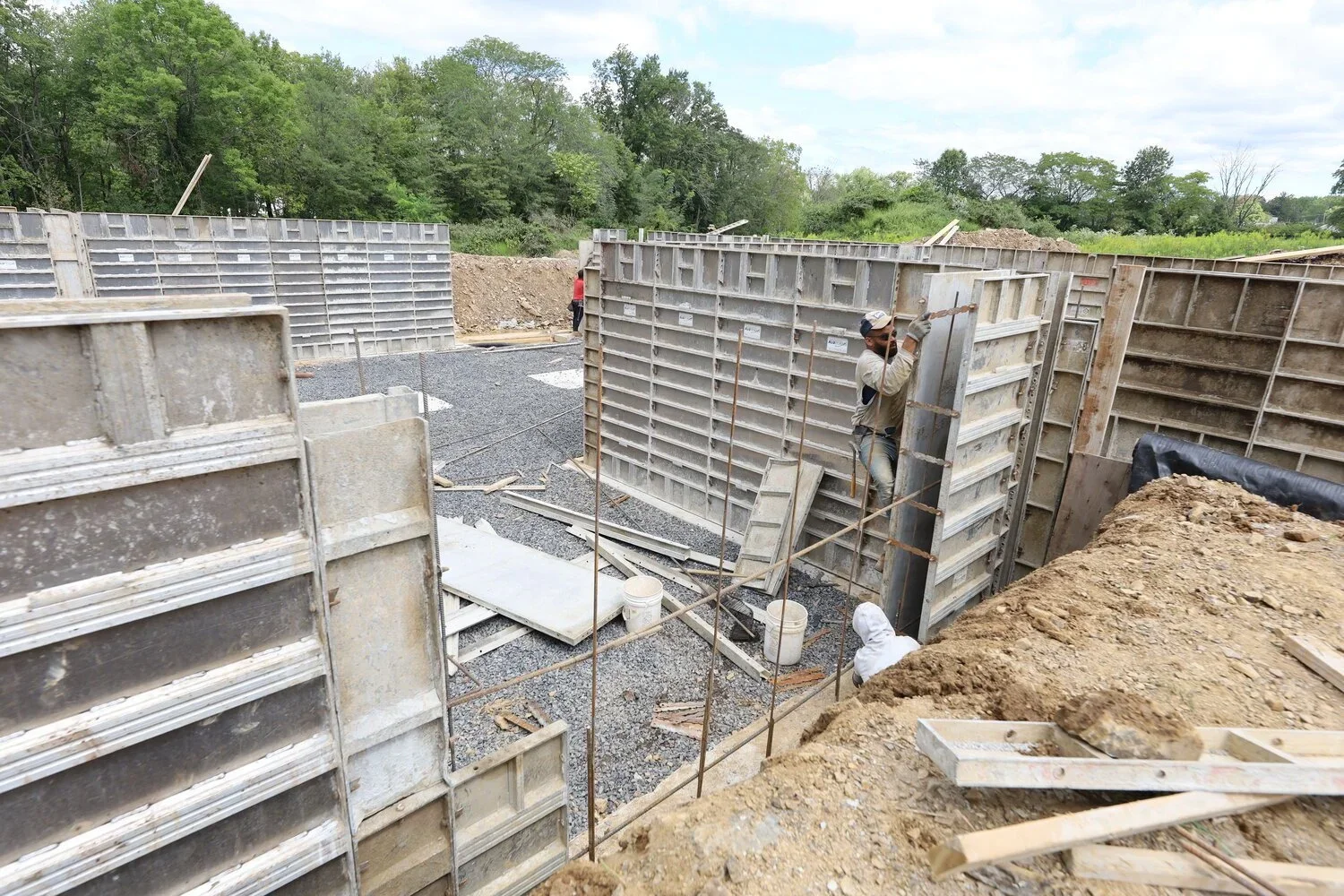
Foundation work featured in Revival’s construction guide.
Fall and winter can be productive seasons for design development and approvals. While outdoor construction conditions may be more limited at times, planning work can continue behind the scenes and help prepare a project for an active spring building season.
Turn Construction Milestones Into a Smooth Move-In
Once the required approvals are in place, work generally begins with site preparation and foundation construction, followed by framing, roofing, and mechanical rough-ins. Inspections occur at required points before work is concealed. Insulation, drywall, cabinetry, finishes, exterior work, and landscaping follow as the project progresses; the exact sequence varies by project and conditions.
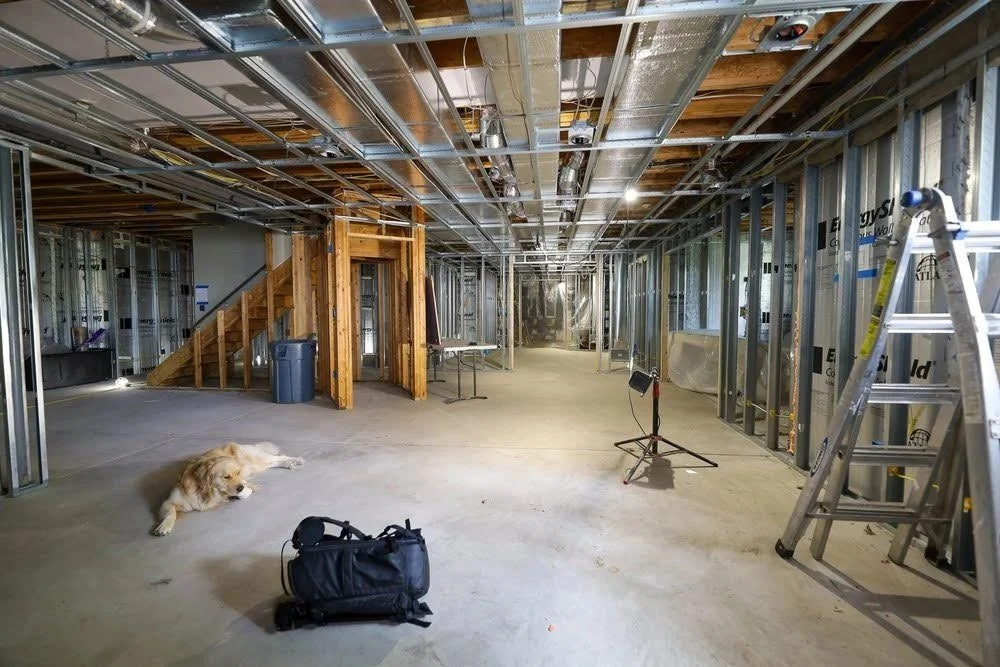
Interior framing at a Revival job site.
Some stages overlap, while others need to happen in a specific order. For example, interior finishes cannot move ahead until the home is ready for them. Clear scheduling and ongoing quality checks help keep each part of the work moving in the right direction.
You do not need to manage every construction detail yourself to stay involved. We keep communication active through progress updates, milestone meetings, finish selections, and timely decisions. Staying engaged at the right points allows questions to be answered before they affect the schedule or final result.
Near completion, we walk through the home with you, review remaining punch-list items, and explain the systems and features you will use every day. Before moving in, confirm that required final inspections are complete and that the municipality has issued any required occupancy approval. Ask for relevant warranties, manuals, and maintenance information, and plan for any remaining seasonal exterior work.
Build Around the Life You Want to Live
A custom home is a major investment in your comfort, routines, and future. The strongest projects begin with an honest conversation about the property, the way your household lives, the features that matter most, and the timing you have in mind. Careful attention at each stage helps connect early decisions to a home that supports daily life for years to come.
As you consider your next steps, keep your priorities written down and return to them whenever a new choice comes up. A clear vision, a well-reviewed site, thoughtful plans, and realistic preparation can make the path from an empty lot to move-in day feel far more manageable.
Turn Your Vision Into a Home Built for You
At Revival, we bring design, planning, and construction together around your vision. Explore our custom home building services and design-build process, then tell us about your project. Our team can discuss your priorities, property, budget, and next steps.